Physical Address
304 North Cardinal St.
Dorchester Center, MA 02124
Physical Address
304 North Cardinal St.
Dorchester Center, MA 02124

20 Essential Van Life Tips for Epic Road Trips & Freedom represents the ultimate dream for many seeking a life of adventure and autonomy on the open road. Mastering the nuances of this lifestyle begins with understanding that van life requires careful preparation, especially regarding your camping gear and daily habits. Whether you are traversing the vast landscapes of North America or navigating quiet backroads, your success depends on effective Trip planning and how well you manage your resources. Beginners often find that exploring expert survival and outdoor tools helps maintain comfort while living off-grid. By focusing on essential gear and maintaining a proactive mindset toward vehicle maintenance and travel safety, you can turn any route into a legendary journey. This guide provides actionable insights for every prospective van lifer, from finding the perfect spot to park to ensuring you have the right equipment for a sustainable and truly rewarding travel experience in the United States.

A cozy, well-lit modern camper van parked at dawn overlooking a scenic mountain range.
Finding Your Perfect Campervan and Van Selection Strategy requires a deep dive into your personal needs, budget, and the type of terrain you plan to conquer. Choosing the right base vehicle, whether it is a versatile Sprinter van or a rugged Truck camper, dictates your comfort level and mechanical reliability throughout your journey. Beginners should carefully consider the trade-offs between size, fuel efficiency, and internal space, especially when they plan to live in the vehicle for extended periods. Researching collaborative remote work travel resources can provide clarity on how to balance professional responsibilities with your nomadic wandering. Proper vehicle selection directly influences how you handle complex environments, from dense urban cores to remote backcountry tracks where agility is paramount. Investing time in evaluating engine performance, interior layout potential, and long-term resale value is the foundation of a successful adventure. Every decision you make during this phase acts as a safeguard against expensive repairs and helps you maintain your stealth camper peace of mind while exploring new horizons.
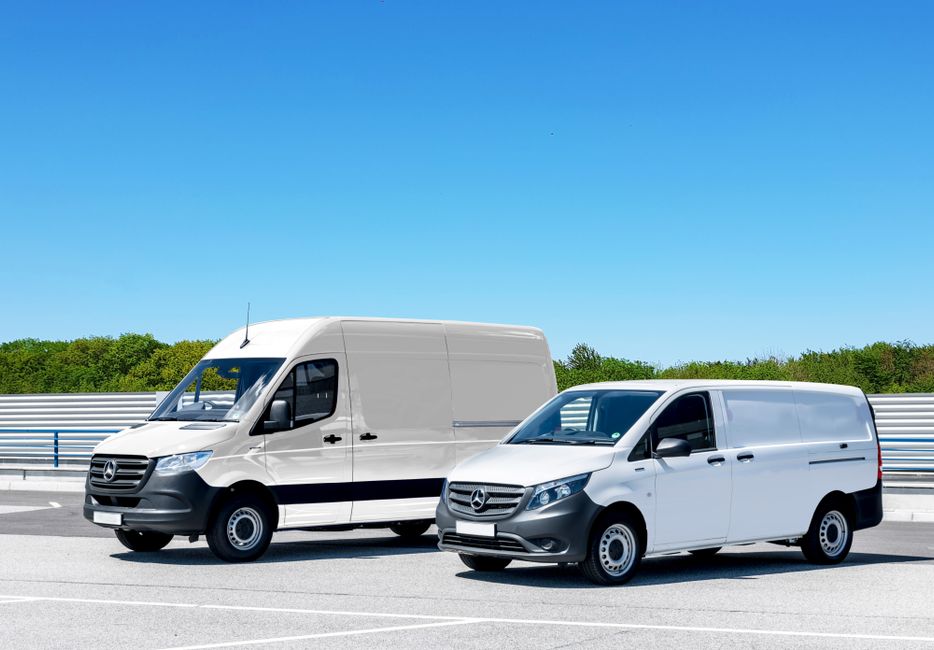
A side-by-side comparison of a compact minivan conversion and a large high-roof cargo van setup.
Which Minivan or Kuga Campervan Suits Your Style is a question that depends heavily on your specific travel goals and storage limitations throughout your trip. While a minivan offers excellent fuel economy and ease of driving, a Kuga campervan often provides more height, allowing you to stand up and move freely inside your living area. When assessing these options, you should think about your daily needs—will you be cooking inside often or mostly eating outdoors? Your choice influences the level of comfort you can expect during long-term travel. Many travelers start by examining specialized bicycle and outdoor gear to see how they might integrate active pursuits into their chosen vehicle’s storage layout. It is essential to weigh the benefits of stealthy, compact designs against the desire for more expansive living quarters to find the best match for your individual lifestyle.
Evaluating your choice of Minivan for agile travels focuses on the vehicle’s maneuverability and its ability to blend into urban environments seamlessly. A minivan is often the preferred choice for those who prioritize stealth camping and frequent city visits, as it does not draw unnecessary attention like larger rigs might. Its smaller footprint allows for easier parking and access to tight spaces, which is a major advantage when navigating narrow streets or crowded coastal towns. Furthermore, fuel costs are significantly reduced, enabling longer road trips without breaking your budget. The interior of a minivan can be surprisingly efficient if you utilize modular furniture and smart storage solutions that keep clutter at bay. By keeping your setup simple and minimalist, you can maintain a agile rhythm, allowing you to move quickly from one location to another whenever you feel the urge for a change of scenery. This level of flexibility is core to the true spirit of nomadic travel.
Performance metrics of the Kuga Campervan for rugged trails highlight its superior build quality and performance under demanding off-road conditions. These vehicles are engineered to handle uneven terrain, steeper gradients, and harsh environments that would stop a standard minivan in its tracks. With enhanced suspension systems and higher ground clearance, a Kuga-style campervan allows you to venture further into the wild, reaching remote campsites and scenic overlooks that remain inaccessible to most tourists. Reliability is a significant factor here; these models often feature more durable components designed for sustained heavy use. While the fuel consumption might be higher, the trade-off is the ability to explore untouched backcountry areas with confidence. Understanding these metrics is vital for those who intend to spend the majority of their time off-grid, where vehicle capabilities directly enable deeper, more immersive experiences. Always conduct thorough research on vehicle service intervals to ensure your engine keeps running smoothly while you traverse challenging topography across diverse regions.

A rugged camper van navigating a dusty, sun-drenched trail with dramatic desert cliffs in the background.
Are Campervan Rentals Better for Beginners is a valid consideration for anyone intimidated by the technical complexities of a full custom camper conversion. Renting allows you to experience the reality of van life without the initial financial burden of purchasing and outfitting a vehicle yourself. This is an excellent way to test various layouts, amenities, and vehicle sizes, ensuring that your final, permanent choice aligns perfectly with your living expectations. You can explore curated holiday and rental advice to better understand how to identify high-quality rental services that prioritize safety and cleanliness. By spending time on the road in a rental, you gain invaluable experience regarding fuel management, parking logistics, and even the simple joys of waking up to a different view every morning. This trial phase helps you refine your list of must-haves versus nice-to-haves before you eventually commit to a significant long-term investment that defines your personal lifestyle approach.

A happy couple picking up a clean, modern rental camper van at a local rental agency depot.
Testing the waters with professional Campervan Rentals offers a safe, structured environment for newcomers to get comfortable with the mechanics of mobile living. By utilizing professional services, you benefit from pre-equipped amenities like integrated kitchens, shore power connections, and maintained bathroom systems. This lets you focus entirely on the travel experience rather than troubleshooting immediate electrical or plumbing failures. You will quickly learn how to operate essential systems, from gas heating to gray water disposal, while also seeing firsthand how much storage space you actually require. It provides a benchmark for what is possible in a professionally optimized build compared to a DIY effort. You will quickly discover the importance of effective organization when living in such a condensed square footage, which is a lesson that will serve you well long after you have moved on to your own van. It is truly the most efficient method for discovering your own unique preferences before buying a vehicle.
How Campervan Rentals limit your initial long-term risks is a critical strategy for maintaining financial solvency while entering the nomadic lifestyle. Buying a used van and rebuilding the interior is an expensive and time-consuming process with many hidden costs, such as rust repairs or engine trouble. Renting eliminates these immediate capital requirements and allows you to walk away if you find that the reality of living in a small space does not suit your personality or physical needs. You are essentially paying for freedom and experimentation without the stress of asset depreciation or mechanical maintenance requirements. This approach also gives you a clear sense of how you might handle seasonal changes or varying climate conditions while on the road. It provides the freedom to switch between different vehicle types—from smaller vans to larger motorhomes—until you find the exact layout that maximizes your comfort. By keeping your financial exposure low during the early stages, you protect your ability to pursue this adventurous dream much longer.

A person looking at a map while sitting comfortably in a modern, well-maintained rental camper van.
Mastering Sleeping and Kitchen Essentials for Vanlife is vital for maintaining health, sanity, and enjoyment throughout your travels. A well-organized, functional kitchenette allows you to prepare nutritious meals while saving funds for more important experiences, effectively balancing your Budgeting needs. Managing your culinary setup requires specific tools like a durable Induction stove and a high-quality fitness-focused healthy living blog to inspire your meal prep sessions while on the move. When you prioritize efficient cooking, you spend less time cleaning and more time interacting with the natural beauty of your environment. Simultaneously, ensuring your sleeping area is comfortable and optimized helps with your physical recovery after a long day of driving or hiking. By utilizing clever storage systems and choosing materials that are easy to maintain, you create a home on wheels that feels intentional rather than cluttered or overwhelming. This balance is what separates a frustrating road trip from a truly liberating, sustainable nomadic lifestyle for any solo traveler or traveling pair.

A person skillfully cooking a meal on a compact induction stove inside a tidy, organized camper van kitchen.
Design a smart cook station for your road trip culinary needs by prioritizing efficiency and space utilization within your kitchenette. Whether you are using a portable induction stove or a traditional propane setup, organizing your gear effectively is key to effortless meal prep. Invest in high-quality stainless steel cookware that nests to save precious storage space while ensuring durability during frequent travel. Keep your ingredients accessible by utilizing a custom storage platform or magnetized wall strips to hold essential utensils firmly in place while the van is in motion. Consider integrating a compact mini fridge to preserve fresh produce and protein, which minimizes waste and saves money on frequent grocery runs. Effective van life cooking is all about creating a functional workflow that allows you to whip up nutritious meals whether you are parked at a scenic campsite or stopping briefly on the side of the road. By keeping your culinary area organized and clean, you ensure that every meal preparation process remains enjoyable rather than stressful throughout your adventure.
The primary role of a Coffee Press in your morning routine is to provide a sense of normalcy and home-like comfort regardless of your location. A lightweight, durable AeroPress is perfect for van life because it takes up minimal space and requires no electricity, making it ideal for off-grid mornings. Pairing your fresh coffee with a sturdy stainless steel mug ensures you can enjoy your morning view without worrying about breakage. This simple ritual helps anchor your day, providing a familiar routine amidst the changing scenery of your journey. Many van lifers find that the quality of coffee they brew has a massive impact on their overall energy levels and motivation to start the day. Being able to craft a barista-level cup in a scenic campground is a small luxury that makes a significant difference in your quality of life. It’s one of those small, essential habits that turns a basic vehicle into a true, cozy living space that you look forward to waking up in.

A close-up of a steaming mug of coffee next to an AeroPress on a wooden counter.
Maximizing a compact Cook Station while on the move is an art form that relies on vertical storage and high-quality, multifunctional kitchenware. By installing magnetic strips for knives and using collapsible silicone bowls, you reclaim precious counter surface area which is often limited in a smaller van build. Keep your pantry items in airtight, stackable containers to prevent spills during travel on bumpy roads. Since modern vans often include a mini fridge, you can diversify your meal prep strategy by keeping fresh produce, dairy, and proteins chilled and ready for use. This setup allows for healthy, home-cooked food that is always tastier and more budget-friendly than constant dining out. When your kitchen functions smoothly, it encourages you to spend more time outdoors while still eating well. Proper ventilation is also key, so always ensure your cooking area has adequate airflow to prevent food odors from lingering. This efficient approach keeps your space clean, inviting, and ready for your next culinary adventure.

A well-organized kitchenette in a camper van showcasing magnetic storage and sleek, stackable containers.
Optimizing sleeping comfort and essential items for rest is fundamental to maintaining high energy levels while embracing the van life lifestyle. A quality mattress or foam topper is your most critical investment, providing the support necessary for restorative sleep following a long day of driving through North America. To maximize your comfort, consider how humidity and temperature fluctuate within your camper van, as proper insulation is just as important as the bedding itself. Keep your sleeping area uncluttered by utilizing overhead storage bins or under-bed compartments for seasonal gear and extra blankets. Establishing a consistent nightly routine helps signal your body that it is time to unwind, regardless of whether you are parked at a bustling RV park or enjoying total seclusion in the backcountry. By curating an environment that feels cozy and secure, you transform your mobile dwelling into a true home on wheels. Careful planning of your sleeping zone ensures that you wake up refreshed, motivated, and ready to explore new terrain every single day.
Innovative sleeping arrangements for better recovery often involve utilizing modular systems that allow you to maximize your floor plan without sacrificing support. For many van dwellers, fold-out benches or lift-beds are effective solutions that allow for a spacious living area during the day while providing a plush, reliable surface at night. If you frequently find yourself on uneven ground, consider using leveling blocks to ensure your mattress is perfectly horizontal, which is essential for deep, uninterrupted sleep. You might also incorporate blackout curtains and sound-dampening materials to effectively block out exterior light and roadside noise, creating a sanctuary of silence regardless of your location. Investing in quality pillows or an ergonomic sleeping pad tailored for tight dimensions can significantly improve your recovery time after hiking or biking. These smart design choices turn your small vehicle into a high-performance cabin where every component contributes to your long-term health and comfort. By prioritizing rest through these creative spatial designs, you ensure your body remains ready for the demanding physical challenges of your next journey.
Essential items for restful sleeping inside a small space include regulating your environment with specialized bedding and climate control accessories. Since space is limited in a van build, focus on multifunctional items like sleeping bags that unzip into full duvets or pillows that double as cushions during the day. Incorporating a small fan or a low-wattage heater can drastically change your comfort levels, ensuring you remain cool during hot desert nights in Arizona or warm during chilly mountain departures. You should also consider adding moisture-wicking sheets and an aromatherapy diffuser to cultivate a relaxing, odor-free atmosphere within your sleeping quarters. Because external disturbances can disrupt your rhythm, wearing noise-canceling earplugs or utilizing a white noise machine can be a game-changer for those sensitive to the sounds of nature or busy campgrounds. Maintaining cleanliness with simple, washable linens prevents allergens, keeping your small breathing space clear and healthy. These thoughtful additions turn a basic vehicle interior into a restorative retreat that supports your overall well-being throughout your van life journey.
Water Access and Bathroom Hygiene on the Road constitutes one of the most significant challenges for those embracing full-time van life. Effective water consumption management requires knowing where to find clean filling stations, such as public campgrounds, visitor centers, or specialized water stations found in many parts of the United States. You must treat every drop with respect and understand how to prevent contamination by using high-grade supply hoses and regular maintenance on your fresh water tanks. Reliable family wellness and post-journey care advice can be helpful when navigating hygiene challenges, especially when traveling with limited resources. Establishing a routine for filling up and emptying your gray tank ensures you never get caught in an uncomfortable situation. Furthermore, maintaining privacy with your own toilet setup or researching public restrooms that meet your cleanliness standards helps maintain your dignity. Successful water and waste management is a core skill that provides you the confidence to extend your stays in more remote locations, away from the typical constraints of city infrastructure.
Sustainable water sourcing during your travels is a critical skill for any nomadic enthusiast, especially when venturing off-grid for extended periods. Always maintain a habit of checking water levels before departing from a reliable water station or RV park, as running out of potable water is a quick way to derail an otherwise perfect trip. Utilize a multi-stage filtration system that attaches directly to your fill hose to remove sediment and impurities regardless of the source. For backcountry exploration, carrying a high-quality purification bottle or a portable UV light device allows you to safely draw water from streams when traditional filling options are unavailable. Practicing conscious water consumption is equally important; use spray bottles for washing dishes to minimize waste and opt for biodegradable soaps to protect the delicate ecosystems you enjoy camping within. By managing your supply through gallon jugs and an integrated tank system, you extend your off-grid capabilities significantly. These strategies ensure your van remains a sustainable, self-sufficient hub, allowing you the freedom to explore remote locations without worrying about your next vital refill.
Managing your onboard Water supply for weeks of autonomy involves meticulous planning of your capacity and daily intake. Most modern van builds include an internal gray water tank and a larger fresh water tank, which require regular inspections to avoid leaks or buildup. To extend your autonomy, use low-flow faucet aerators and practice mindful dishwashing techniques, such as using spray bottles for rinsing rather than a running tap. Tracking your usage allows you to forecast exactly when you need to find a water source, which is critical for planning your trips. Keeping detailed records for each week helps you map out your route to coincide with available water infrastructure, minimizing stress. When you are truly off-grid, your water supply is your lifeline, so investing in a high-capacity tank that suits your build is a smart move. Always carry a secondary backup, such as a portable jug, to ensure you are never without the means to clean yourself or your dishes during emergencies.

A clear internal view of neatly organized water tanks tucked beneath the bed frame in a camper van.
Innovative filtration systems for fresh Water on demand are essential for van lifers who draw water from varied, sometimes questionable, public taps. A high-quality under-sink water filter system, often paired with a secondary UV sterilizer or ceramic filter, ensures that your drinking water remains pure and free of harmful bacteria or sediment. This means you do not have to rely solely on expensive plastic bottled water, aligning your lifestyle with more sustainable, eco-conscious habits. When you have on-demand, reliable, and clean water, you can stay longer in remote areas where fresh drinking water is scarce. Installing this system is a great way to improve your overall health and comfort, making each cup of water safer and tastier. Maintenance is simple, involving periodic filter changes, which is a small price to pay for consistent access to high-quality drinking water. It transforms the way you approach travel, granting you complete peace of mind no matter where your journey takes you.
Bathroom solutions without sacrificing comfort require a balance of privacy, sanitation, and efficient waste management. Whether you choose a simple composting toilet, a gravity-flush system, or a portable cassette option, the key is to ensure installation is stable and odor control is effective. Many van lifers prefer compact, chemical-free solutions that fit neatly into dedicated cabinetry, making them accessible yet discreet when not in use. Beyond the unit itself, consider adding a pop-up privacy tent or a partition curtain to create a semi-private space within your van during moments of need. When you do not have built-in facilities, maintaining hygiene is straightforward with high-quality wet wipes and a dedicated bin system for waste removal. By keeping your bathroom area extremely clean and well-ventilated through air circulation fans, you preserve a pleasant living environment. These systems provide the necessary convenience to maintain your standard of living while enjoying the flexibility of camping in diverse environments across the country, ensuring your hygiene remains a priority.
Maintaining a private bathroom setup in your camper van is achieved through clever interior planning and the use of dedicated structural dividers. Even in the tightest floor plans, installing a retractable screen or a lightweight curtain can transform a portion of your living space into a dedicated washroom area in seconds. It is essential to use moisture-resistant materials for the surrounding surfaces to prevent any water damage from daily usage. To enhance privacy, orient your van so that its rear or side doors face away from public visibility, or use high-quality window coverings to ensure complete seclusion. Keep all your cleaning supplies and essential hygiene products neatly organized within easy reach so that your routine is quick and efficient. Proper ventilation is the most important element for long-term comfort, so ensure you have a roof vent installed directly above the bathroom zone to draw out steam and odors quickly. This setup allows you to handle your daily needs with dignity while keeping the van interior feeling spacious and clean.
Portable bathroom sanitary tips for eco-conscious roaming demand a disciplined approach to waste disposal and environmental protection. Whenever you are utilizing portable toilets, always prioritize disposing of waste at designated dump stations found at campgrounds or professional RV parks rather than leaving waste in the wild. If you are in extreme backcountry areas and must be self-reliant, always follow Leave No Trace principles by using wag bags for solid waste, which seal tightly and allow for responsible disposal once you return to civilization. For liquid waste, ensure you are utilizing biodegradable, gray-water-safe detergents if you are disposing of small amounts of sink water, but strictly contain all human waste. Keeping your portable equipment scrubbed with environmentally friendly sanitizers helps prevent bacterial buildup and odors. By choosing high-quality, reusable systems, you produce less plastic waste and demonstrate respect for the pristine environment you are visiting. Being a responsible van lifer means ensuring your presence leaves absolutely no impact on the local wilderness, keeping these natural spaces beautiful for every future traveler.
Choosing your campsite and mastering stealth camping involves a blend of intuition and preparation to ensure you remain both comfortable and legal. Stealth camping necessitates parking your van in a way that is nondescript, often blending into an urban landscape or a quiet residential street without attracting unwanted attention. The goal is to arrive late, leave early, and keep your lights off or obscured by heavy-duty blackout curtains while you are inside. When you prefer to spend time in nature, research public land websites to identify where dispersed camping is permitted. Always check for local ordinances or signage, as regulations can shift quickly in popular destinations like the Grand Canyon or near national forests. Having a few backup locations identified beforehand prevents late-night stress during your road trip. Effective stealth campers prioritize low-profile designs for their vans, avoiding bright custom paint jobs or loud exterior modifications. By refining these skills, you gain the freedom to spend the night in virtually any region while keeping a low profile and respecting local neighborhoods.
Navigating free camping and freedom camping locations is an exhilarating part of the travel experience, provided you utilize the right resources. Numerous mobile applications and online databases allow users to share data on accessible spots, including photos and reviews regarding accessibility or safety concerns. Look for locations identified as public land, such as BLM areas where boondocking is permitted for up to fourteen days in many parts of the United States. Before arriving, evaluate the terrain to ensure it is suitable for your specific vehicle, whether you are driving a full-sized sprinter van or a smaller truck camper rental. Always look for existing tire tracks to park on, which helps minimize your impact on vegetation and prevents damage to soil. While the freedom to park almost anywhere is the ultimate goal, always exercise common sense and follow all posted guidelines regarding seasonal closures or fire bans. Mastering these navigation skills opens up endless possibilities for affordable, scenic, and adventurous travel across the continent without the recurrent costs of booking traditional sites.
Safety protocols for Freedom Camping in remote areas are essential for every van lifer seeking isolation in the beautiful backcountry of North America. When venturing far from civilization, always prioritize communication by downloading offline maps and sharing your approximate travel itinerary with a trusted friend or family member. It is crucial to check local weather forecasts and fire warnings before settling into a remote campsite to avoid hazardous conditions. Keep your van in excellent mechanical shape, carrying a reliable roadside assistance plan and a backup power source like a NOCO Boost for emergency jump starts if the battery dies. Always keep a tidy cabin, store your food securely to deter wildlife, and maintain awareness of your surroundings at all times. Being prepared with extra water consumption supplies and a first aid kit ensures that you remain self-sufficient during your adventure. While freedom camping offers unparalleled peace, maintaining a vigilant mindset is the primary key to staying safe and enjoying the serenity of the great outdoors without unnecessary anxiety or potential risks.
Where to find the best spots for legit Free Camping involves using the right digital tools to locate public lands managed by government agencies. Resources like iOverlander, Campendium, and various map-based apps allow you to identify Bureau of Land Management areas and National Forests where dispersed camping is permitted. These platforms often include user reviews that indicate whether a site is accessible by a standard vehicle or if it requires a rugged truck camper with high clearance. By filtering for free spots, you can discover hidden gems near state parks or scenic vistas that provide a genuine sense of solitude. Always respect the land by following Leave No Trace principles, ensuring that beautiful spots remain available for future travelers. Building an active community of van dwellers online can also lead to word-of-mouth recommendations for lesser-known, legal locations that are perfect for quiet overnight stays. Careful planning through these dedicated apps will transform your road trip from stressful searching into a rewarding experience of discovering majestic and lawful free camping grounds.
Expert Tips for Stealth Camping and RV Park Alternatives are essential for those who prefer to keep a low profile while traversing through urban or suburban environments. Stealth camping relies on blending into your surroundings, appearing as a regular vehicle rather than a recreational camper. Avoid bright interior lights that draw attention at night and choose parking spots in industrial areas or quiet residential streets where vans are common sights. While an RV park offers standard amenities like electricity and showers, high-quality alternatives include public parking lots or permitted street parking that aligns with local regulations. Always arrive late and leave early to minimize your footprint and respect the neighborhood. If you feel uncomfortable, never hesitate to relocate, as the advantage of van dwelling is your ultimate mobility. By staying tidy, keeping window coverings subtle, and acting with complete discretion, you can successfully navigate populated regions while maintaining your privacy and avoiding the costs associated with traditional campgrounds or busy rental parks.
Subtle adjustments for quiet Stealth Camping near cities can drastically improve your overnight experience while maintaining your anonymity as an urban nomad. Focus on optimizing your interior layout to prevent any light leakage through vents or windows by using high-quality opaque covers. If you are maneuvering a larger Sprinter van, consider finding parking spots near street lamps that provide sufficient ambient light, as these often mirror the appearance of everyday commuter vehicles. Avoid running loud fans or generators that could alert nearby residents to your presence. Investing in quiet auxiliary power allows you to maintain comfort without the noise of a running engine or external electrical hookups typically found at an RV park. It is also wise to vary your parking locations frequently and keep your exterior free of cluttered gear like surfboards or mountain bikes that clearly mark your vehicle as a van home. These small, thoughtful behavioral shifts allow you to blend into the city energy safely and effectively while staying entirely comfortable.
Comparing the atmosphere of a luxury RV Park vs wild sites highlights the wide spectrum of experiences available to those embracing nomadic life. A luxury RV park provides a structured, predictable environment with full amenities such as 50-amp electrical hookups, community pools, hot showers, and high-speed Wi-Fi, making it ideal for those who need to catch up on work or recharge. Conversely, wild sites offer the raw beauty of the outdoors, where your only neighbor might be the wind through the trees. These locations provide the true freedom of van life, stripping away the artificial comforts of a campground in exchange for silence, dark skies, and an intimate connection with nature. While the RV park is perfect for logistical maintenance and social interaction with other travelers, the backcountry encourages introspection and adventure. Choosing between these environments depends entirely on your daily needs, energy levels, and whether you are seeking community connectivity or a profound, quiet solo experience in the vast wilderness.
Off-Grid Power and Maintaining Your Camper Van requires a proactive approach to ensure that your home on wheels remains reliable during long-distance travels. As you explore remote regions, your energy independence becomes a pillar of your comfort, as you must power everything from your kitchen appliances, such as an induction stove, to your mobile office. Maintaining the electrical system involves regular check-ups on your lithium batteries, wiring, and inverter status to prevent failure when you are far from a grid connection. Additionally, vehicle maintenance is paramount; regularly check tire pressures, fluid levels, and brake conditions to keep your van roadworthy. By investing in a robust monitoring system, you can track energy consumption and detect potential mechanical gremlins early on. This combination of diligent power management and scheduled vehicle servicing ensures that your nomadic journeys remain seamless and enjoyable, providing the confidence needed to tackle steep mountain passes, long highways, and extended stays off-the-grid without the constant need for professional intervention.
Reliable Portable Power Station and Solar Panels form the backbone of a modern camper van electrical setup, providing clean and quiet electricity for all your gear. Brands like Goal Zero Yeti or Jackery offer user-friendly, high-capacity units that simplify the complexity of traditional dual-battery systems. These stations are perfect for powering a mini fridge, charging your essential photography gear, or running a laptop for remote work. Pairing your station with high-efficiency folding solar panels allows you to harvest energy directly from the sun, keeping your battery levels topped off while you explore the Grand Canyon or wander through the red rocks of Sedona. This portable energy solution is versatile, allowing you to move it inside or outside your van depending on your camping setup. By understanding the output and storage capacity of these devices, you can optimize your power consumption, ensuring that even on cloudy days, you have enough stored energy to maintain your everyday comforts while living on the open road.
Setting up a high-capacity Portable Power Station safely is critical for ensuring both the protection of your equipment and the integrity of your camper van electrical system. Always prioritize placing the unit in a well-ventilated area, away from direct heat sources and moisture, to prevent overheating during heavy use. Secure the unit using heavy-duty straps or a custom mounting bracket, especially if you drive on rough, uneven terrain during your travels. When connecting your home appliances, use high-quality cables and ensure that the inverter’s wattage limit is never exceeded to avoid damage. Many modern power stations come with built-in surge protection, but adding an additional external fuse block can provide an extra layer of safety for your internal wiring. Always inspect the connection points before and after each charge cycle to look for signs of wear or heat damage. By treating your electrical setup with careful diligence, you extend the lifespan of your gear and maintain a reliable source of power for your entire, adventurous van life journey.
Installing efficient Solar Panels to charge your Portable Power Station requires careful planning regarding placement on your van roof or on the ground. For fixed rooftop installations, ensure that the junction box is sealed properly to prevent leaks and that the panels are aerodynamic to reduce wind drag during highway speeds. If you opt for portable, stackable panels, you can position them directly toward the sun to maximize intake, which is particularly effective in places like Arizona where sunlight is abundant. Using a high-quality solar charge controller is essential to regulate the voltage moving from the panels into your battery bank, preventing overcharging and protecting your lithium batteries. It is also beneficial to keep your panels clean, removing dust and debris regularly to maintain peak efficiency. By successfully integrating these solar panels into your vehicle, you create a sustainable, renewable energy loop that minimizes your dependence on external charging sources and keeps you powered for your long-term nomadic pursuits.
Essential Vehicle Maintenance and Travel Apps are the two pillars that support a stress-free experience for any van lifers spending months on the road. Beyond the standard oil changes and tire rotations, you must keep an organized log of your vehicle’s service history, noting when critical parts like belts, filters, and brakes were last inspected or replaced. Combine this mechanical diligence with smart technology; use apps like GasBuddy to find fuel deals or Roadtrippers to plot your next exciting adventure across the United States. Safety apps that track roadside assistance locations and weather alerts serve as an invisible safety net during your travels. Furthermore, keep physical copies of maps and important documents such as ownership papers and insurance cards in a secure, reachable storage platform. This integration of proactive maintenance and digital accessibility ensures you are prepared for both the planned stops and the unexpected twists of van life. With a well-maintained rig and a suite of useful tools, your road travel remains a celebration of freedom.
Using Travel Apps for real-time traffic and route navigation is foundational for a stress-free road trip across North America. When planning your route, apps like Waze or Google Maps provide essential insights into potential delays, construction zones, or accidents that could impede your camper van. For those engaged in van life, integrating these tools with specialized routing software ensures you avoid low-clearance bridges or weight-restricted roads that your vehicle might not safely handle. By maintaining constant awareness of your surroundings and traffic patterns, you can optimize your travel itinerary, ensuring you arrive at each campsite or RV park with plenty of daylight remaining. Effective navigation is not just about finding the fastest path but about choosing the safest one for your specific build. Regularly updating your GPS and cross-referencing digital maps with physical road atlases provides a layer of redundancy that is vital when exploring remote areas, effectively maximizing your freedom while ensuring you stay on the right track during your expedition through the United States.
Preventative vehicle maintenance checks after every month of constant travel are non-negotiable for preserving your van dwelling lifestyle. A consistent monthly inspection schedule helps identify minor mechanical issues before they evolve into expensive, itinerary-halting repairs. Focus your assessment on critical areas such as tire pressure, fluid levels, and the integrity of your electrical setup, particularly your lithium batteries and solar panels. Since the rigors of road travel subject your camper conversion to significant vibration, double-check all storage platform latches and internal cabinetry mounts to ensure they remain secure. Don’t overlook safety equipment; verify the pressure in your spare tire and test your NOCO Boost or similar jump-start tools to guarantee they function when needed. Keeping a detailed log of these checks contributes to better vehicle reliability and improved resale value if you decide to upgrade. Ultimately, staying diligent with these recurring inspections provides the peace of mind necessary for off-grid living, allowing you to focus on the landscape rather than worrying about unexpected roadside assistance needs.
Building a community and improving your solo van life is a transformative step that turns a solitary journey into a shared experience of deep connection. While van life often emphasizes independence and privacy, the nomadic lifestyle is enriched immensely when you engage with like-minded individuals at popular gatherings or campgrounds. By participating in regional meetups or online discussion boards, you can cultivate a support network that offers invaluable advice on van builds, stealth camper techniques, and prime locations for freedom camping. This sense of belonging, even while on the move, combats the occasional loneliness inherent in solo travel and provides a safety net during challenging weather or mechanical trouble. Sharing tips about local amenities, hidden spots for van camping, or advice on managing water consumption allows you to grow as a traveler. Connecting with others is not just about practical logistics; it is about finding a shared spirit that understands the unique blend of freedom and discipline required to thrive while living on the road for extended periods.
Listening to customer feedback and online comments is a strategic way for any van lifer to refine their setup and travel habits. By following community discussions on dedicated forums or social media groups, you can learn about the latest innovations in van conversion equipment or identify common pitfalls that others have faced during their adventures. Whether it is reviews regarding a potential rental vehicle, experiences with specific solar panels, or opinions on the performance of a particular mini fridge, this collective intelligence is a powerhouse of information. Engaging with this feedback loop allows you to avoid purchasing gear that might not withstand the rigors of full-time living or to adopt improved techniques for efficient meal prep and storage. Being open to these insights means you are constantly optimizing your approach to nomadic challenges. It turns the experiences of hundreds of other travelers into lessons you can apply directly to your own journey, ensuring that your van setup remains functional, efficient, and perfectly suited for your unique needs.
Learning from the customer feedback of veteran travelers provides a shortcut to mastering the nuances of van life without needing to learn everything through trial and error. These long-term residents of the road have accumulated years of insight regarding which kitchenettes, insulation materials, and outdoor cooking setups truly last over time. When experienced travelers review gear like an AeroPress, a specific induction stove, or high-capacity power systems like the Goal Zero Yeti, their consensus often highlights durability and usability under real-world conditions. By paying attention to what these seasoned road-trippers prioritize—such as ease of vehicle maintenance, reliable gear, and effective storage solutions—you can refine your own build to avoid early failure. Their candid feedback regarding the reality of managing a camper van across diverse seasons or terrains helps set realistic expectations for your own adventure, ultimately saving you time, money, and frustration. Leveraging the knowledge gained from those who have been living this lifestyle for years is the smartest way to ensure your own setups are robust and reliable.
Engaging with digital comments from the global nomadic community helps break down the barriers of isolated travel and opens up a world of shared expertise. When you actively participate in discussions on platforms focused on van builds or long-term camping, you gain access to a diverse array of perspectives on subjects ranging from budget travel hacks to advanced backcountry navigation. These comments often contain hidden gems about specific regions, such as the best secret campsites near the Grand Canyon or tips for navigating the climate variations in Arizona desert areas. By both asking questions and providing your own experiences, you contribute to a positive feedback loop that helps everyone improve their travel safety and comfort. This type of active engagement fosters a sense of camaraderie that transcends physical borders, making the solo van life feel supported and interconnected. It encourages a culture of mutual learning where every participant can better navigate the complexities of road travel and maximize the enjoyment of their mobile home.
Enhancing solo van life through camping hacks is about finding creative solutions that increase your efficiency and comfort in a compact space. When you live in a smaller footprint, such as a truck camper or a basic van build, every inch of space must serve multiple purposes. Implementing clever storage strategies, like utilizing overhead netting or collapsible kitchen gear, creates a more livable environment where you can easily prepare meals without items cluttering your living area. Camping hacks also extend to power management; mastering your electrical consumption from your Jackery or other power banks allows you to operate more appliances for longer periods between charges. Furthermore, simple techniques for maximizing privacy, such as using custom-fitted window covers, significantly enhance your ability to enjoy stealth camping in urban environments. By continuously seeking out and testing new hacks, you transform your van into a more versatile living machine, enabling you to spend more time exploring unique landscapes rather than managing the limitations of a small, mobile living space.
Effective camping hacks for solo adventurers often focus on simplifying daily logistics and securing equipment to ensure peace of mind. One essential hack involves color-coding or labeling your storage bins to maximize organizational efficiency, ensuring that essential tools for vehicle maintenance or your personal backpacking gear are always easily accessible. For meal prep, consider pre-chopping vegetables and storing them in modular stainless steel containers to save time and reduce waste, allowing you to quickly cook a hearty meal. Another valuable approach for solo travelers is to create a digital checklist for your pre-departure routine to ensure you never leave a campsite without essential items. Additionally, leveraging simple, low-cost modifications—like installing magnetic organizers or extra hooks for hanging damp items—can significantly improve your quality of life inside the van. These hacks not only streamline your daily operations but also provide a sense of order and structure, which is vital when you are navigating challenging environments or unfamiliar areas on your own, making your nomadic journey much smoother and more enjoyable.
Smart strategies for thriving during solo van life adventures involve balancing practical preparation with a flexible mindset to handle the unpredictability of road travel. Beyond having a well-maintained vehicle and a robust power system, thriving requires a proactive approach to your mental and physical well-being. This includes planning your travel itinerary to avoid excessive time behind the wheel each day, which helps prevent fatigue and allows for more spontaneous exploration. Developing routines for regular vehicle checks and organized storage management ensures that you spend less time dealing with logistical frustrations and more time enjoying the outdoors. Engaging with the wider nomadic community or joining local camping meetups can provide a necessary social outlet, keeping you motivated and supported. Furthermore, maintaining a healthy budget for travel, including emergency funds for unexpected mechanical repairs, is crucial for long-term comfort. By combining smart technical management with mindful daily habits, you ensure that your solo adventure remains a sustainable and deeply rewarding lifestyle filled with freedom and genuine adventure.